

The Power of Early Detection: How Blood Tests Help Prevent Major Illnesses?
September 2025
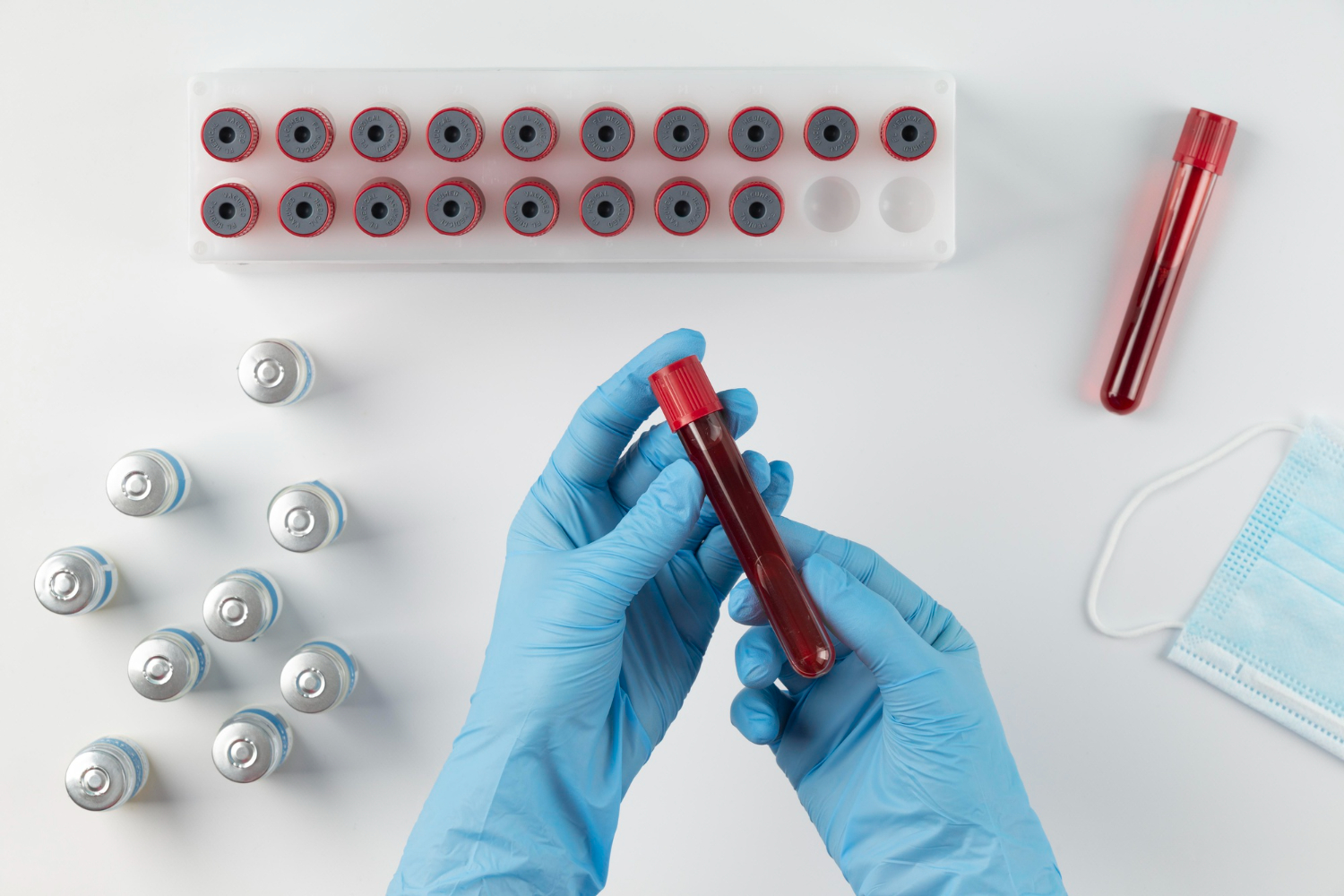
In today’s complex world of medicine, the ability to detect potential illnesses early is a game-changer. Many major diseases develop quietly, with subtle or no symptoms until they reach an advanced stage. This is where the power of early detection plays a critical role, and blood tests stand at the forefront of this proactive approach. At St. Marc Medical and Diagnosis Center, we believe that preventive diagnostics through timely blood testing is essential to guard your well-being.
Why Early Detection Is Important?
Early detection means identifying changes in the body before they escalate into serious medical conditions. Illnesses such as diabetes, heart disease, kidney disorders, and certain types of cancer often show no obvious signs in the early stages. Without timely diagnosis, these conditions can progress, leading to complications that are harder to treat and may reduce quality of life.
By embracing early detection, individuals gain the opportunity to implement lifestyle changes, start treatments, or take preventive steps that can slow the disease progression. This proactive approach often results in better outcomes, fewer hospitalizations, and enhanced longevity.
How Often Should a Healthy Person Get Blood Tests?
Even if you feel perfectly fine, routine blood tests are a key part of preventive care and early disease detection. Experts recommend that healthy adults under 40 undergo a comprehensive blood test at least once a year to monitor vital markers such as cholesterol, blood sugar, liver function, and Complete Blood Count (CBC). These routine screenings can reveal silent conditions like high cholesterol, diabetes, or vitamin deficiencies before symptoms appear, helping you stay ahead of potential risks. Incorporating annual blood work into your wellness routine supports long-term vitality and allows for early intervention if any abnormalities arise making it a smart move for anyone committed to proactive living. For adults over 40 and seniors, regular blood testing becomes even more crucial for early detection of age-related conditions. Medical professionals recommend comprehensive blood panels every 6 to 12 months to monitor critical indicators like blood sugar, cholesterol levels, thyroid function, kidney performance, and inflammation markers.
Routine blood test enables early diagnosis and timely lifestyle adjustments, empowering you to maintain optimal wellness and prevent complications before they start.
Blood Tests vs. Diagnosis: Unlocking Early Detection
Blood tests serve as a powerful frontline tool in early detection, offering crucial insights that often precede a formal diagnosis. While a diagnosis confirms the presence of a disease, blood work identifies subtle changes in your body’s biomarkers, such as inflammation, hormone imbalances, or nutrient deficiencies long before symptoms appear. This proactive approach enables timely interventions, improving outcomes for conditions like diabetes, cardiovascular disease, and thyroid disorders. By integrating routine blood testing into your wellness strategy, you can catch potential issues early, reduce risks, and empower yourself with actionable data for better long-term health.
Blood Tests: The Cornerstone of Preventive Diagnostics
Blood tests provide a comprehensive snapshot of your body’s internal environment. They reveal valuable data about your metabolic functions, organ health, immune system status, and risk factors for various diseases. Here’s how routine blood tests help prevent major illnesses:
- Detecting Metabolic Disorders Early
Blood sugar tests measure glucose levels to screen for diabetes or prediabetes, conditions that affect millions worldwide. Early identification allows for prompt dietary and medical interventions, significantly reducing the risk of complications such as neuropathy, vision loss, and cardiovascular issues.
- Assessing Cardiovascular Health
Lipid profiles measure cholesterol and triglyceride levels, critical indicators of heart disease risk. Elevated LDL (bad cholesterol) or low HDL (good cholesterol) can signal potential blockages in arteries. Early monitoring empowers individuals to adjust diets, increase physical activity, or seek medications to prevent heart attacks or strokes.
- Monitoring Organ Function
Blood tests assess how well vital organs like the liver and kidney function. Elevated liver enzymes or abnormal kidney markers can reveal damage or disease before symptoms develop, allowing for early treatment and better management.
- Identifying Infections and Immune Disorders
Complete blood counts (CBC) and inflammatory markers help detect infections, anemia, or autoimmune diseases. Early diagnosis enables timely therapy to manage these conditions effectively.
- Cancer Screening
Certain blood tests can identify markers or abnormalities associated with cancers. While not definitive on their own, these tests combined with other diagnostic tools contribute to early cancer detection and improved survival rates.
Taking Charge of Your Health Through Early Detection
Waiting until symptoms appear often means missing the chance to intervene early. Regular blood testing as part of your wellness routine can identify risk factors and underlying issues well before they impact your daily life.
We recommend discussing with your medical provider which blood tests are suitable based on your age, family history, lifestyle, and any existing conditions. Whether you require routine screening or targeted diagnostics, St. Marc Medical and Diagnosis Center is here to support your journey toward proactive health management.
Why Choose St. Marc Medical and Diagnosis Center?
At St. Marc Medical and Diagnosis Center, our commitment to precision and care elevated drives everything we do. With more than 50 years of experience, we combine trusted expertise with modern technology to provide comprehensive diagnostic services you can rely on.
- Advanced Laboratory Testing: Our labs are equipped with the latest instruments, ensuring highly accurate and timely results.
- Experienced Medical Professionals: Skilled specialists interpret your results with clinical insight tailored to your individual needs.
- Convenient Access: We offer home visit blood testing for those who prefer the comfort and safety of their own home.
- Patient-Centric Approach: Your well-being is our priority. We provide clear guidance and support to help you understand your results and next steps.
Schedule Your Preventive Blood Tests Today
Don’t wait for warning signs to take action. Contact St. Marc Medical and Diagnosis Center to book your comprehensive blood testing appointment or request a convenient home visit blood test. Early detection saves lives and empowers you with the knowledge to make informed choices.
Experience expert diagnostics and trusted results, because your well-being deserves nothing less.