

Breast Cancer Screening: The Importance of
Early Detection and Mammography
October 2026
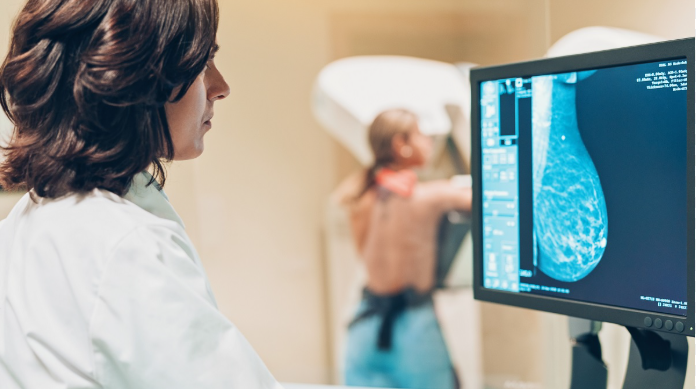
Breast cancer is one of the most common cancers affecting women worldwide, and it remains a major health concern in Lebanon. Early detection can make an important difference in treatment outcomes. Regular breast health checks and appropriate screening can help identify abnormalities before they become more difficult to treat.
At St. Marc Medical & Diagnostic Center, we believe that understanding your breast health is an important part of taking care of yourself. Whether you are considering your first mammogram, have been advised to undergo breast imaging, or simply want to learn more about breast cancer screening, knowing what to expect can help you make informed decisions with your physician.
Why Is Breast Cancer Screening Important?
Breast cancer does not always cause noticeable symptoms in its early stages. This is why breast cancer screening is an important part of preventive health for women who meet recommended screening criteria.
A mammogram uses low-dose X-rays to create detailed images of breast tissue. It can help identify certain breast abnormalities, including some cancers, before they cause noticeable symptoms.
Early detection does not mean that every abnormal finding is cancer. Many breast lumps and imaging findings are not cancerous. However, identifying an abnormality early allows your healthcare team to investigate it appropriately and determine whether further testing or treatment is needed.
What Is a Mammogram?
A mammogram is a specialized breast X-ray used for breast cancer screening and, when necessary, diagnostic evaluation.
During the examination, the breast is positioned between two plates so that clear images can be obtained. The compression helps produce detailed images while keeping the amount of radiation used as low as reasonably achievable.
Mammography may be performed as:
- Screening mammography – for women who do not have breast symptoms and are undergoing routine screening.
- Diagnostic mammography – when there is a breast concern, symptom, or an abnormality that requires further evaluation.
Your doctor can recommend the most appropriate type of breast imaging based on your age, symptoms, personal history, and risk factors.
When Should You Have a Mammogram?
There is no single screening schedule that is appropriate for every woman. Recommendations can vary according to age, personal and family history, genetic risk, previous breast conditions, and the healthcare guidelines being followed.
In Lebanon, breast cancer screening recommendations have traditionally included mammography for women beginning around age 40, while women with a significant family history or increased risk may need to begin screening earlier based on medical advice.
International recommendations can also differ depending on age, individual risk, healthcare systems, and screening guidelines.
The best approach is to discuss your individual breast cancer screening schedule with your physician.
Who May Have a Higher Risk of Breast Cancer?
Although some factors can increase breast cancer risk, breast cancer can also occur in women without a known family history or other major risk factors.
Risk factors can include:
- Increasing age
- A family history of breast cancer
- Certain inherited gene mutations, including BRCA1 and BRCA2
- Previous radiation exposure to the chest
- Certain reproductive and hormonal factors
- Obesity
- Alcohol consumption
- Tobacco use
- Some forms of hormone therapy
Importantly, many women diagnosed with breast cancer do not have a known significant risk factor other than age and being female. This is one reason why appropriate screening and breast health awareness matter even when you feel healthy.
Who May Have a Higher Risk of Breast Cancer?
Screening is important, but knowing your breasts and recognizing unusual changes is also essential.
Speak with a healthcare professional if you notice:
1. A New Lump or Thickening
A new lump or area of thickening in the breast or underarm should be evaluated, even if it is painless.
2. Changes in Breast Size or Shape
An unexplained change in the appearance, size, or shape of one breast should not be ignored.
3. Skin Changes
Changes such as dimpling, redness, pitting, or unusual skin texture may require medical evaluation.
4. Changes in the Nipple
A newly inverted nipple or other unusual nipple changes should be discussed with a healthcare professional.
5. Unusual Nipple Discharge
Unexplained or bloody nipple discharge should be assessed by a medical professional.
These signs do not automatically mean breast cancer. Many breast changes have benign causes. However, they should be properly evaluated rather than ignored.
Mammography and Early Detection: What’s the Connection?
One of the major advantages of mammography is that it can identify certain breast abnormalities before they produce noticeable symptoms.
This is different from diagnostic evaluation, which begins after a person notices a symptom or a healthcare professional identifies a concern.
In simple terms:
Screening: Looking for abnormalities before symptoms appear.
Diagnosis: Investigating a symptom or an abnormal finding.
Both are important components of breast cancer care.
When breast cancer is detected at an earlier stage and appropriate treatment is available, outcomes can be significantly better. Early diagnosis and timely treatment are important parts of improving breast cancer outcomes.
Is Mammography Painful?
Some women may experience temporary pressure or discomfort during a mammogram because the breast needs to be compressed to obtain clear images.
The examination itself is relatively quick, and any discomfort generally lasts only during the compression.
If you are having your first mammogram, knowing what to expect can make the experience less stressful.
Mammogram or Breast Ultrasound: Are They the Same?
No. Mammography and breast ultrasound are different imaging examinations, and one does not always replace the other.
A mammogram uses X-rays to produce images of the breast, while ultrasound uses sound waves to create images.
Depending on your age, symptoms, breast characteristics, and clinical situation, your physician may recommend mammography, ultrasound, or additional imaging.
The appropriate examination should be determined based on your individual circumstances rather than choosing one test independently.
Why Early Detection Matters?
Breast cancer is treatable, and detecting it earlier can improve the chances of successful treatment.
But early detection is not only about having a mammogram. It involves a broader approach:
Know your breast health.
Recognize unusual changes.
Follow appropriate screening recommendations.
Seek medical advice when something doesn’t feel right.
Early detection, timely diagnosis, and appropriate treatment all play an important role in breast cancer care.
Take a Proactive Approach to Your Breast Health!
Your health should not depend on waiting for a symptom to appear.
Whether you are due for routine screening or have noticed a change that concerns you, speak with your physician about the appropriate next step.
At St. Marc Medical & Diagnostic Center, our diagnostic imaging services support the evaluation and monitoring of breast health.
This Breast Cancer Awareness Month, make your breast health a priority.
Early detection starts with awareness. Your health starts with you.
Book your mammography appointment or speak with our team to learn more about breast imaging and diagnostic services.