

Colonoscopy and Gastroscopy: What to Expect,
Why They Matter, and How They Protect Your Health
May 2026
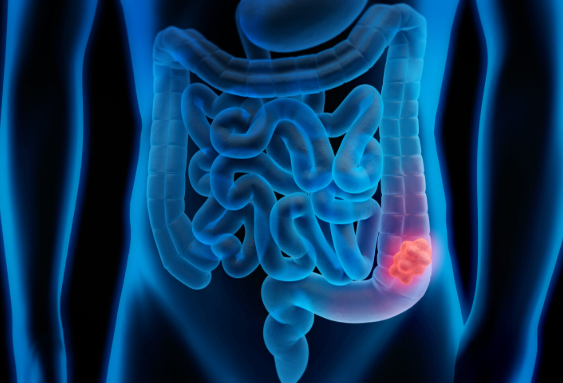
When it comes to digestive health, early detection and accurate diagnosis can make a life-changing difference. Procedures like colonoscopy and gastroscopy (upper endoscopy) are among the most effective tools doctors use to evaluate the gastrointestinal (GI) tract. While the idea of undergoing these tests may feel intimidating, understanding their purpose and process can help you approach them with confidence and peace of mind.
What Is a Colonoscopy?
A colonoscopy is a medical procedure that allows a specialist to examine the inner lining of your large intestine (colon and rectum) using a thin, flexible tube equipped with a camera.
Why is a colonoscopy important?
Colonoscopy plays a critical role in:
- Colon cancer screening and prevention
- Detecting polyps (which can develop into cancer over time)
- Diagnosing causes of symptoms like:
- Persistent abdominal pain
- Rectal bleeding
- Chronic diarrhea or constipation
- Unexplained weight loss
Early detection through colonoscopy significantly increases the chances of successful treatment, especially in colorectal cancer cases.
What Is a Gastroscopy?
A gastroscopy, also known as an upper GI endoscopy, examines the esophagus, stomach, and the first part of the small intestine (duodenum).
Why might you need a gastroscopy?
Your doctor may recommend this procedure to:
- Investigate chronic heartburn or acid reflux (GERD)
- Diagnose stomach ulcers or gastritis
- Detect infections such as Helicobacter pylori
- Evaluate difficulty swallowing
- Identify causes of nausea, vomiting, or upper abdominal pain
Gastroscopy provides direct visualization, making it one of the most accurate diagnostic tools for upper digestive tract conditions.
What Happens During the Procedure?
Both colonoscopy and gastroscopy are typically safe, minimally invasive procedures performed under sedation to ensure comfort.
Before the procedure:
- You’ll receive detailed preparation instructions
- For colonoscopy: a bowel cleansing preparation is required
- You may need to fast for several hours
During the procedure:
- You will be comfortably sedated
- The doctor gently inserts the endoscope to examine the GI tract
- If necessary, biopsies (small tissue samples) can be taken for further analysis
After the procedure:
- Recovery is usually quick
- You may feel mild bloating or drowsiness
- Results are often discussed shortly after, with biopsy results following later if needed
How to Prepare for Your Gastroscopy and Colonoscopy?
Proper preparation is essential to ensure accurate results and a smooth experience.
Preparation for Gastroscopy:
- Fasting is required: Do not eat or drink for at least 6–8 hours before the procedure
- Avoid smoking or chewing gum before the test
- Inform your doctor about any medications, allergies, or medical conditions
- You may be asked to temporarily stop certain medications (only under medical guidance)
Preparation for Colonoscopy:
- Follow a low-fiber diet a few days before the procedure
- Switch to clear liquids (water, broth, clear juices) the day before
- Take the prescribed bowel preparation solution exactly as instructed
- Avoid red or purple-colored drinks (they may interfere with results)
- Arrange for someone to accompany you, as sedation is used
Clear preparation leads to clearer results, making your procedure more effective and reducing the need for repeat testing.
Are These Procedures Safe?
Yes. Both colonoscopy and gastroscopy are considered very safe when performed by experienced medical professionals. Complications are rare, and the benefits of early detection far outweigh the risks.
When Should You Get Screened?
- Colonoscopy screening is generally recommended starting at age 45, or earlier if you have risk factors such as family history
- Gastroscopy is recommended based on symptoms rather than age
Always consult your doctor to determine the right timing for your specific health needs.
Why Choose St. Marc Medical Center?
Choosing the right healthcare provider makes all the difference in your experience and outcomes.
At St. Marc, patients benefit from:
Expert Medical Team
Highly trained gastroenterologists and healthcare professionals dedicated to accurate diagnosis and patient safety.
Advanced Technology
Modern endoscopy equipment ensures high-precision imaging and minimally invasive procedures.
Patient-Centered Approach
From consultation to recovery, care is designed around comfort, privacy, and reassurance.
Comprehensive Care
Integrated services allow for seamless diagnosis, follow-up, and treatment all under one roof.
Trusted Results
A reputation built on reliability, professionalism, and compassionate care.
At St. Marc, it’s not just about the procedure it’s about supporting you through every step of your health journey.
Final Thoughts
Colonoscopy and gastroscopy are powerful tools in protecting your digestive health. Whether you’re undergoing routine screening or investigating symptoms, these procedures offer clarity, early detection, and peace of mind.
Taking this step today could prevent serious complications tomorrow.